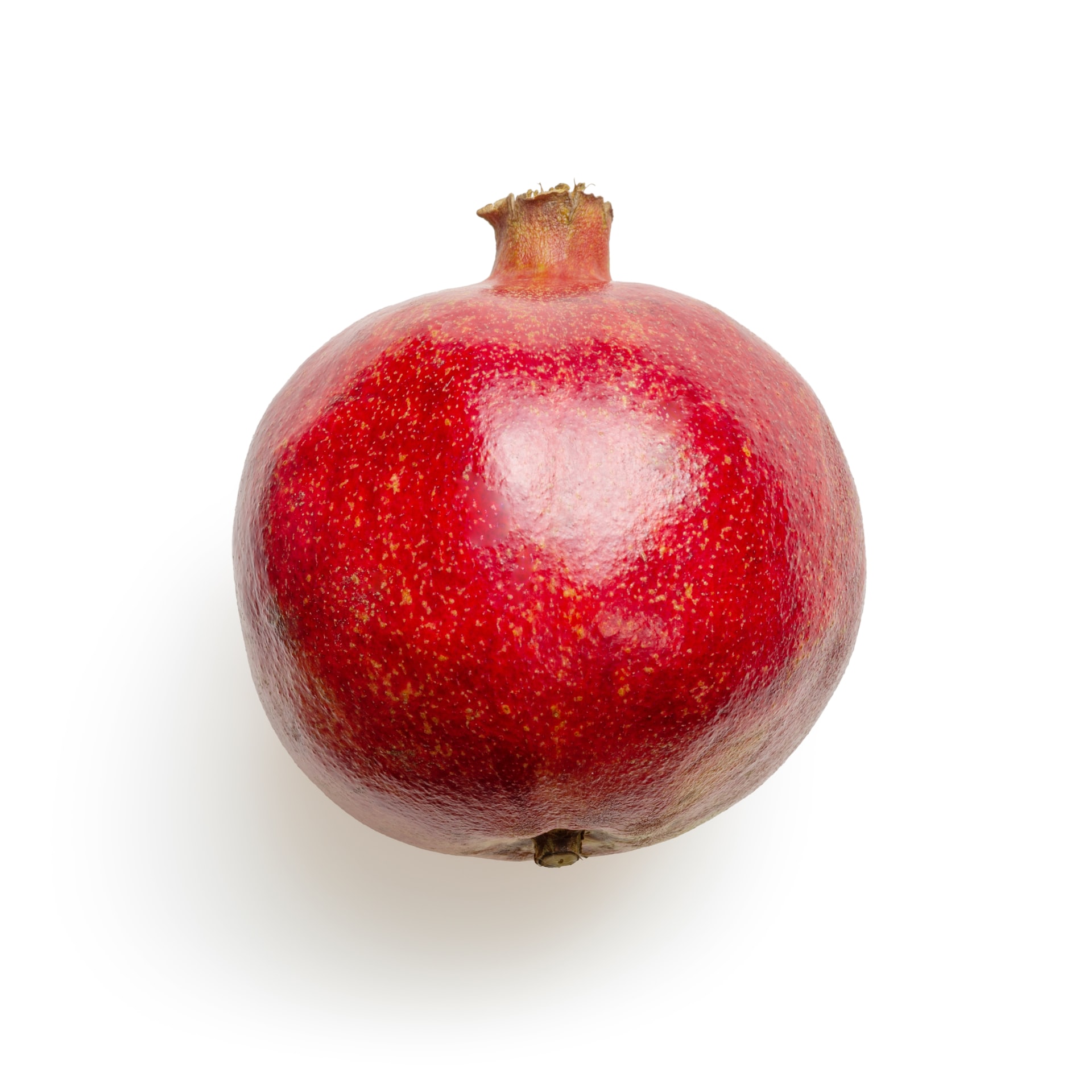
The mature pomegranate is a complicated fruit with a portion that may be eaten inside and a hard exterior that has anthocyanin colouring.
A non-edible white pith separates the tightly clustered crimson grains (arils) and segments from one another. The arils have a reddish-orange juice that is delightfully acidic and enclosed by an angular seed that is edible.
Pomegranates need to be sheltered from sunburn in order to grow in warm summer climates. Between September and November, it produces three flushes of self-pollinating flowers. This indicates that fruit ripens gradually and is picked in three stages.
Pomegranates can yield an average of 30 tons per hectare from mature trees (from six years and older), while up to 42 tons per hectare have been collected. Commercial production of pomegranates should begin after three years. After harvest, fruit is cooled down and sorted before being sold whole, processed into juice, arils, and oil (for use locally), or exported as fresh fruit.
Elrita Venter, advises new pomegranate farmers to select the best cultivar (wonderful cultivar) from reputable nurseries such as ours prior to planting, take soil samples, analyze water quality, prepare the soil to allow for deep root penetration, and install irrigation. Pomegranate trees will grow and produce fruit for decades (POMASA).
On Bovenvlei farm we only farm with the Wonderful variant. It is a cultivar that is perfect for the South African climate and gives a very good yield.